
Care instructions
Regular washing and maintenance of workwear extend its lifespan and help preserve the protective properties of the materials. Wash your workwear frequently enough, as dirt and contaminants can impair its performance and cause more wear and tear than proper washing. Proper care also helps keep zippers and other fasteners functioning correctly.
Always follow the care instructions provided on the product.
Click on a card to read the care instructions for each product type.

High-visibility clothing care instructions
EN ISO 20471
- Wash high-visibility clothing only with other certified high-visibility garments that have the same care instructions. Other garments may release dye that can reduce the visibility properties of the products.
- Always follow the care instructions provided on the product.
- Do not use fabric softener or bleach, as they can damage the reflective materials.
- Close all fasteners before washing.
- Do not iron reflective materials.
- Reshape garments while damp.
- Preferably store garments on hangers, protected from sunlight.

Shell clothing care instructions
- Wash shell clothing only with other garments that have the same certification and care instructions.
- Always follow the care instructions provided on the product.
- Close all fasteners before washing.
- Do not use fabric softener or bleach, as they can damage the fabric membrane and reflective materials.
- Use a liquid detergent specifically designed for membrane garments to prevent damage to the fabric membrane.
- You can tumble dry the garments, but always follow the care instructions carefully. Heat reactivates the fabric's water-repellent finish.

Flame-resistant and multi-protective workwear care instructions
- Flame resistance is achieved by impregnating the fabric with a chemical treatment after weaving. This process ensures that the chemical penetrates deep into the fibres and does not wash out during laundering.
- The flame-resistant reflective materials used in the products have been tested after 40 industrial wash cycles at 75°C and 100 domestic wash cycles at 60°C. In accordance with the standards, the fabrics have been tested after five industrial wash cycles at 75°C.
- The standards specify the number of wash cycles required, with five cycles being the minimum to ensure that the fabrics meet the required protective properties.
- The multistretch fabrics used by Dimex have been tested after five domestic wash cycles at 60°C.
During welding, or when sparks come into contact with the fabric, holes may form. This is normal for flame-resistant fabrics. The fabric performs as intended when it does not ignite or continue to burn. In other words, it self-extinguishes. The fabric meets flame-resistance requirements even if holes develop during welding. Flame-resistant fabrics are not completely fireproof.

Merino wool clothing and accessories care instructions
- If the wool garment is not dirty, air it out and allow it to rest between uses. This helps the wool fibres regain their natural strength and elasticity.
- Always follow the care instructions provided on the product.
- Close all fasteners before washing.
- Using a laundry bag is recommended for items such as beanies and socks.
- Use a detergent specifically designed for wool.
- Do not use fabric softener or bleach.
- Always reshape wool garments while damp.
- Lay wool garments flat to dry on a horizontal surface (e.g. a drying rack).

Zipper care instructions
- Always keep the front flaps closed when wearing the garment.
- Always unzip the zipper completely when putting on or taking off the garment. This helps prevent damage to or breakage of the zipper mechanism.
- Avoid using excessive force when operating the zipper.
- Wash garments regularly, as dirt causes more wear to zippers than washing.
- Always remember to close zippers and any front flaps before washing.
- If too much dirt accumulates in the zipper components, the upper part of the slider may be pushed outwards, causing it to loosen. As a result, the zipper will no longer stay closed. A loose slider can be gently tightened by squeezing both flat sides with pliers. However, make sure that the slider opening does not become narrower than the gap at the bottom stop.
Important considerations for garment repairs
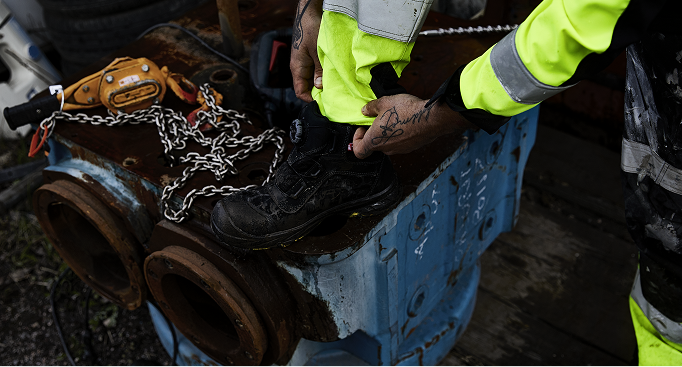
- When shortening the trouser legs of certified high-visibility clothing, ensure that at least 5 cm of fabric remains between the reflective material and the trouser hem to maintain compliance with the standard. (Particularly for smaller sizes, ensure that the surface area of the background material still meets the standard's requirements.)
- Flame-resistant and multi-protective garments must only be repaired using fabrics that comply with the product's certification requirements.
- Certified products must not be modified, for example by removing pocket flaps, adding accessories or reducing the amount of reflective material, as such modifications would mean that the products no longer meet the requirements of the relevant standards.